How Quality Fence Installation Austin Delivers Durable Materials
Durable & Stylish Fencing Solutions: Boost Security and Privacy for Your Property
Sturdy and attractive fencing solutions are fundamentally important in improving security and privacy alike for homes. By selecting the right styles and construction materials, homeowners can set distinct perimeters while boosting the curb appeal of their home. However, the planning process involves numerous factors that go beyond simple aesthetics. Understanding these factors can profoundly affect the effectiveness and longevity of a fencing project. What should homeowners prioritize when starting this journey?
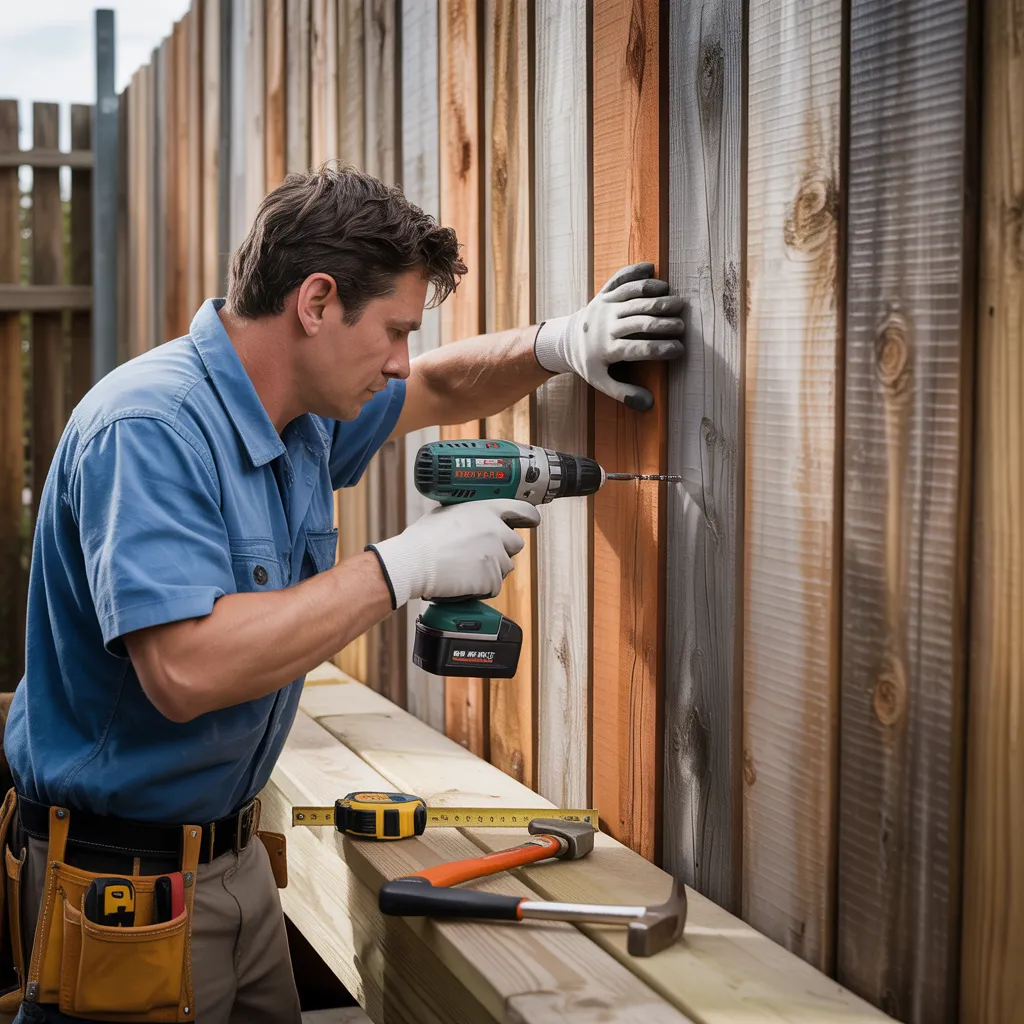
Why Fencing Is Essential for Home Security and Privacy
Fencing acts as an essential barrier in creating home security and privacy. By forming a distinct boundary, it discourages unwanted intrusions and strengthens the sense of safety for property occupants. A properly built fence not only restricts access to the property but also acts as a visual deterrent, signaling to potential intruders that the premises are protected.
In addition, fencing promotes privacy by blocking the view from outside, enabling homeowners to make the most of their outdoor spaces without feeling observed. This feature is particularly valuable in crowded neighborhoods where houses are in close quarters.
Additionally, quality fencing can increase property value, as prospective purchasers tend to prioritize privacy and security features. Property owners gain peace of mind from the assurance that their personal space is properly protected. Ultimately, fencing represents a core component of home security and privacy, offering both functional and decorative value.
Which Fencing Material Is Best for My Home?
When selecting the perfect fence material for home security and privacy, multiple choices provide notable advantages. Wood fencing offers a timeless look and natural charm, while vinyl fencing provides minimal upkeep and durability. Metal fencing, alternatively, provides unparalleled durability and strength, making it a strong contender for long-term protection.
Benefits of Wood Fences
Of the many fencing options on the market, wood distinguishes itself through its exceptional combination of visual charm and functional advantages. It offers a classic elegance that can enhance numerous architectural designs, enhancing the overall curb appeal of a property. Wood fencing is also highly customizable, allowing homeowners to choose from various heights, designs, and finishes to suit their preferences. Furthermore, wood is an eco-friendly resource, making it an environmentally friendly option. Its natural insulation properties provide some noise reduction and temperature control, promoting a calm and comfortable atmosphere. With routine upkeep, wood fencing can resist the elements and stand the test of time, ensuring enduring safety and privacy for property owners. Therefore, wood fencing stands as a compelling and practical option for strengthening and beautifying property perimeters.
Vinyl Fence Benefits
Vinyl fencing provides many benefits that make it a compelling choice for homeowners who want both security and visual appeal. This versatile material is incredibly strong, built to resist the elements, and does not warp, rot, or fade over time, guaranteeing a durable and reliable solution. Its easy maintenance demands are another notable perk, as it usually only demands light cleaning with mild soap and water. Vinyl fencing can be found in numerous styles and color options, enabling homeowners to personalize their outdoor areas while enhancing curb appeal. Additionally, it provides excellent privacy, as solid panels work efficiently to obscure sightlines from neighbors. With its blend of durability, aesthetics, and low maintenance, vinyl fencing proves to be a smart investment for modern homeowners.
Metal Fencing Durability
Metal fencing is celebrated for its remarkable durability, making it a top choice for homeowners prioritizing long-term security and maintenance efficiency. Resistant to rot, pests, and extreme weather conditions, metal fences tend to last longer than alternative materials like wood or vinyl. Steel and aluminum, the most common types of metal fencing, provide robustness and stability, ensuring they remain intact over time. Additionally, many metal fences feature protective coatings that prevent rust and corrosion, thereby increasing their overall longevity. Although the upfront cost may exceed that of other materials, the lasting performance and reduced maintenance demands make metal fencing a wise financial investment in the long run. In summary, metal fencing proves to be an excellent choice for those who desire both security and lasting performance.
Finding a Fencing Style That Suits Your Home's Design
Selecting a fencing style that complements a property's design is essential for ensuring architectural harmony. Homeowners must consider how a range of materials can improve or diminish their home's appearance. Thoughtful material selection not only promotes visual appeal but also affects strength and usability.
Structural Harmony Considerations
Architectural balance elevates the overall aesthetic of a home, making it critical to select a fencing option that aligns with the house's architecture. A discover more carefully chosen fence can complement architectural features, colors, and landscaping, highlighting the property's character. For instance, a contemporary home may benefit from sleek, minimalist fencing, while a traditional residence might be ideally suited to traditional wooden or wrought iron fencing. Additionally, evaluating the size and dimensions of the property and its fencing guarantees aesthetic harmony. This thoughtful selection not only enhances the home's attractiveness but also increases its market value. Ultimately, a harmonious fence fits effortlessly with the complete aesthetic, forming a cohesive and inviting environment for residents and visitors alike.
Material Selection Importance
Choosing the right materials for fencing significantly impacts both practicality and visual appeal. Residents should explore various materials, such as wood, vinyl, aluminum, and wrought iron, with each presenting its own set of benefits. Timber delivers a timeless appearance that is highly customizable, while vinyl demands little maintenance and holds up against harsh weather. Aluminum delivers resilience and safety without the bulk of wrought iron, which can be both elegant and robust. The right material must align with the home's aesthetic while meeting functional demands like security and seclusion. Additionally, local climate conditions can affect material longevity, making it essential to choose wisely. Ultimately, the right material enhances both the visual harmony of the property and its overall functionality.
Privacy Fencing Benefits
Even though many homeowners focus on aesthetic appeal in their outdoor environments, the value of privacy fencing reaches much further than visual appeal. Privacy fencing serves as a critical barrier against prying eyes, establishing a private setting that improves comfort and safety. It effectively reduces noise from surrounding areas, making outdoor spaces more tranquil and enjoyable. Moreover, privacy fencing can function as a safeguard for gardens and surrounding greenery, deterring animals and unwanted visitors.
Additionally, such fencing can increase property value by elevating the general appeal and usability of the home. It additionally cultivates a feeling of personal space, allowing families to enjoy outdoor activities without feeling exposed. The right privacy fence can enhance the home's architectural design while offering vital security features. Overall, privacy fencing investment not only improves aesthetic appeal but significantly enhances a homeowner's peace of mind and quality of life.
Fencing Local Regulations
When exploring fence options for privacy and home security, homeowners must be aware of municipal regulations that control fence installation and design. These regulations can vary markedly by municipality, frequently covering height restrictions, material specifications, and placement guidelines. Homeowners are generally expected to secure permits before constructing a fence, especially if it exceeds a certain height or is made from non-standard materials.
Moreover, neighborhood associations may enforce their own restrictions, which can additionally impact aesthetic decisions. It is essential to review regional zoning ordinances and lot boundaries to eliminate disagreements with adjacent homeowners and guarantee compliance. Disregarding these rules can lead to penalties or the requirement to remove an improperly constructed fence. By educating themselves about community regulations, homeowners and residents can develop thoughtful strategies that enhance both security and aesthetics without compliance issues.
How to Manage Your Fencing Project Budget
Planning a budget for a fencing project requires careful planning and consideration of various factors. Homeowners should start by determining the total length of the fence needed and the type of material desired, as prices can differ significantly among materials such as wood, vinyl, and metal. Additionally, they need to factor in extra costs, including installation labor, required permits, and essential tools.
It's equally important to factor in the possible requirement for site preparation, such as clearing vegetation or leveling the ground. Homeowners are advised to collect estimates from multiple contractors to secure the best possible price and consider any seasonal discounts that may apply.
In addition, establishing a reserve fund, generally 10-15% of the total budget, can prove useful for handling surprise costs. Through careful assessment of these factors, property owners can create a sensible budget that matches their fencing needs while boosting their home's security and privacy.
Maintenance Tips for Long-Lasting Fencing
Once a budget has been set and the appropriate materials have been chosen for a fencing project, homeowners should prioritize maintenance to ensure their investment stands the test of time. Consistent inspections are vital; identifying signs of rot, rust, or wear can prevent the need for larger repairs. Wooden fences benefit from the application of a protective sealant every few years to guard against moisture and pests. Metal fences require regular cleaning to clear away dirt and grime, as well as monitoring for corrosion that could call for repainting. Furthermore, trimming vegetation away from the fence line helps minimize moisture buildup and protects against root damage. For vinyl fencing, a simple wash with soapy water can maintain its appearance. Taking care of minor repairs without delay is key to extending the fence's longevity. Following these maintenance guidelines allows homeowners to keep their fencing both functional and visually appealing for many years.
Boosting Fencing With Modern Security Features
Embedding advanced security components into fencing not only enhances safety but also elevates the functionality of outdoor environments. Modern advancements in technology have made it possible to incorporate features such as surveillance cameras, motion sensors, and smart locks directly into fence structures. These additions offer homeowners immediate alerts along with the ability to monitor their property remotely.
Motion detectors are capable of identifying suspicious behavior, delivering real-time updates directly to residents' mobile devices. Surveillance cameras integrated into the fence can capture high-definition video, discouraging unauthorized individuals from attempting entry. Furthermore, advanced locking systems on gates provide keyless entry and can be operated using mobile applications, offering both ease of use and enhanced protection.
Furthermore, advanced fencing technologies can be paired with automated home networks, allowing for effortless connectivity with surrounding security elements. Thanks to these advancements, homeowners can take advantage of improved peace of mind while at the same time contributing a degree of distinction to their exterior areas.

Questions We Often Receive
What Is the Time Frame for Installing a New Fence?
The process of installing a new fence usually spans one to three days, influenced by factors such as the materials used, the fence length, and the terrain. Weather conditions and local regulations may also influence the total time needed for completion.
Can I Install Fencing Myself, or Should I Hire a Professional?
Homeowners can install fencing themselves if they have the necessary skills and tools; however, hiring a professional guarantees skill, precision, and adherence to local codes, ultimately producing a more reliable and aesthetically pleasing outcome.
What Is the Expected Lifespan of Different Types of Fencing Materials?
The typical longevity of fencing materials can vary widely: wood has an average lifespan of 10-15 years, vinyl typically lasts between 20-30 years, metal can endure between 30-50 years, and composite materials offer durability similar to wood but often last longer.
In What Ways Do Weather Conditions Influence Fence Longevity
Weather conditions greatly impact fencing durability; intense sunlight may cause materials to warp, while high levels of moisture often cause rot or corrosion. Routine upkeep can help reduce these issues, preserving the longevity and quality of a range of fencing materials.
Can You Find Eco-Friendly Fencing Solutions?
Indeed, numerous environmentally friendly fencing choices are available, including sustainably sourced wood, bamboo, and recycled materials. Such materials not only lessen their effect on the environment but also deliver attractive aesthetics and resilience, making them suitable choices for conscientious homeowners.